













Caring for a loved one during a challenging time needs compassion, empathy, and understanding. Many families want to give comfort and support at home.
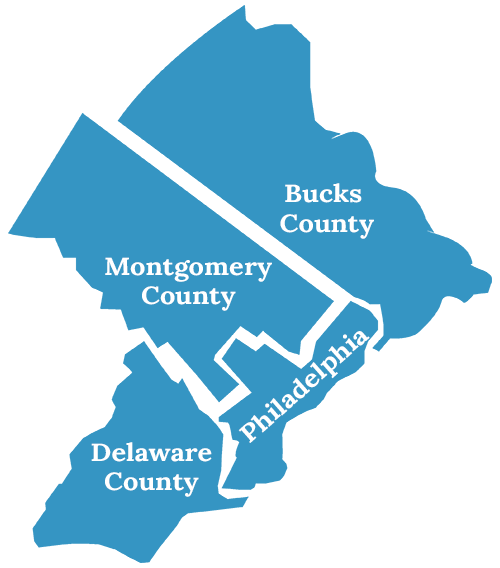
A-Team Home Care is the top-rated Home Care company in Philadelphia. They offer home care services that support families in caring for their seniors. Their care is both compassionate and professional.
Choosing to care for your loved one at home shows you value their dignity and respect. A-Team Home Care’s team is committed to providing Philadelphia home care that fits each family’s needs.
Key Takeaways
- Providing care and comfort at home is a priority for many families.
- A-Team Home Care offers personalized home care services in Philadelphia.
- Compassionate care is essential for supporting loved ones during challenging times.
- Home care services can be tailored to meet the unique needs of each family.
- A-Team Home Care is a leading provider of senior care in the Philadelphia area.
The Journey of End-of-Life Care at Home
As people near the end of life, being at home can greatly comfort them. It offers a setting where care can be more personal and caring.
What Defines End-of-Life Care
End-of-life care is about supporting and caring for those in their final stages. It aims to improve their quality of life by addressing their physical, emotional, and social needs. Effective end-of-life care requires a team of healthcare professionals working together.
The Growing Preference for Home-Based Care
Many prefer to get end-of-life care at home, surrounded by loved ones. Home care is comfortable and familiar, benefiting both patients and their families. It allows for care that is more flexible and tailored to each person.
Key Benefits for Patients and Families
Home-based end-of-life care offers many advantages. Patients feel more comfortable and less stressed. Families also get the support and guidance they need. Key benefits include:
- Personalized care tailored to the patient’s needs
- Emotional support for patients and their families
- Flexibility in care planning and delivery
Choosing home-based care allows patients and their families to have a more caring and supportive journey.
Physical Aspects of End-of-Life Home Care
The physical aspects of end-of-life care at home are key to patient comfort. It’s important to meet patients’ physical needs to keep their dignity and quality of life high.
Pain Management and Comfort Measures
Pain management is a vital part of end-of-life care. It includes using medicine, alternative therapies, and comfort measures. Activities like massage, gentle exercise, and relaxation can help reduce pain.
For more on pain and symptom management, check out A-Team Home Care’s guide on grief for seniors. It might give you more ideas on caring for your loved ones.
- Medication management
- Alternative therapies (e.g., massage, acupuncture)
- Relaxation techniques (e.g., deep breathing, meditation)
Managing Symptoms and Medical Needs
Managing symptoms and medical needs is key in end-of-life care at home. This includes watching for and treating symptoms like nausea, fatigue, and shortness of breath. Healthcare experts can help with symptom control and medical treatments.
- Monitoring symptoms
- Medical interventions for symptom control
- Collaboration with healthcare professionals
Creating a Comfortable Physical Environment
Making a home care environment comfortable is essential for patient well-being. Adjusting the home to make it safe, accessible, and cozy is important. Simple changes, like rearranging furniture or using assistive devices, can greatly improve comfort.
By focusing on these physical aspects, caregivers can greatly improve the quality of life for those receiving end-of-life care at home.
Emotional and Psychological Support
As patients face the end of life, emotional and psychological support is key. It’s not just for them but also for their families. They need help dealing with the tough parts of caregiving.
Addressing Anxiety and Depression
Anxiety and depression are common in end-of-life care. Effective management includes professional counseling, medication, and support from loved ones. A calm and comforting space can also help.
Communication Strategies with Loved Ones
Open and honest talk is vital for emotional support. Active listening and empathy are important. They help patients and families feel heard and understood. Regular family meetings help address everyone’s concerns.
Preserving Dignity and Autonomy
Keeping patients’ dignity and autonomy is essential. This means respecting their wishes and letting them make choices. Simple things like supporting their grooming and letting them decide their routines boost their dignity.
End-of-Life Care at Home: A Compassionate Guide to Services
Getting the right care at home is key for comfort and well-being at the end of life. Many services are available to help people in their homes. They address medical, emotional, and personal needs.
Skilled Nursing Care for Complex Medical Needs
Skilled nursing care is essential for those with complex medical needs at home. Experienced nurses can give medications, manage symptoms, and do medical procedures. This ensures patients get top care. For more on our in-home care, visit A-Team Home Care’s In-Home Care Page.
Physical, Occupational, and Speech Therapy Benefits
Therapy services are key for keeping patients comfortable and functional. Physical therapy helps with pain and keeps patients moving. Occupational therapy helps with daily tasks. Speech therapy keeps communication skills sharp.
- Physical therapy for pain management and mobility
- Occupational therapy for daily living activities
- Speech therapy for effective communication
Personal Care and Home Health Aide Support
Personal care and home health aide services are vital for daily needs. They help with bathing, dressing, and grooming. They also offer companionship and emotional support.
Daily Living Assistance
Home health aides help with daily tasks. This keeps patients dignified and independent.
Companionship and Emotional Support
Companionship and emotional support are also critical. Caregivers listen, offer companionship, and emotional reassurance. This helps fight loneliness and isolation.
“Compassionate care is not just about treating the body; it’s about caring for the person as a whole.”
Preparing Your Home for End-of-Life Care
A well-prepared home can greatly improve the quality of care for loved ones at the end of life. It’s important to make the home comfortable, safe, and dignified for those receiving care.
Necessary Equipment and Supplies
Having the right equipment and supplies is key. This includes hospital beds, wheelchairs, and medical gear. Families should talk to healthcare experts to find out what they need. For more information, visit A-Team Home Care’s services page.
Home Modifications for Safety and Comfort
It’s important to make the home safe and comfortable. This means installing handrails, removing hazards, and setting up a cozy living area. “Simple changes can really improve care quality,” says a care expert.
Creating Peaceful and Accessible Spaces
Creating peaceful and easy-to-access spaces is very helpful. This means cleaning up, making sure important areas are easy to get to, and making a calm atmosphere. This helps keep dignity and comfort for the person receiving care.
Supporting Family Caregivers
It’s key to support family caregivers so they can keep giving quality care without losing their own well-being. They are a big part of the care system, giving a lot of help to their family members.
Recognizing and Managing Caregiver Burnout
Caregiver burnout happens when caregivers get too tired and stressed from caring for others. It’s important to know the signs like feeling irritable, tired, and not wanting to be around people. To fight burnout, caregivers should get respite care, take care of themselves, and live a healthy life.
One caregiver said, “It’s hard to take care of someone else when you’re not taking care of yourself.” This shows how important self-care is to avoid burnout.
Respite Care Options
Respite care gives caregivers a break, letting them rest and take care of themselves. There are different types of respite care:
- In-home respite care
- Adult day care programs
- Short-term stays in care facilities
For more info on respite care, check out A-Team Home Care’s respite care page.
Educational Resources and Training
Family caregivers need education and training to do their job well. They can find workshops, online courses, and support groups. These help with caregiving skills, managing medicines, and dealing with the healthcare system.
Building a Support Network
Having a strong support network is vital for caregivers. This includes family, friends, support groups, and professional caregivers. A good network helps share the caregiving load, making it easier for everyone.
“A strong support network is not just about having people around; it’s about having the right people who understand and support your caregiving journey.”
By understanding the challenges caregivers face and giving them support, resources, and advice, we can help them keep caring for their loved ones.
Choosing the Right Home Care Provider
Finding the right home care provider can greatly improve your loved one’s comfort and dignity. It’s important to choose someone who understands their unique needs.
Essential Qualities to Look For
When picking a home care provider, look for certain qualities. These include:
- Compassionate Care: Caregivers should show empathy and understanding.
- Professional Qualifications: Make sure they have the right training and certifications.
- Reliability and Flexibility: They should be able to adjust to changing needs and schedules.
Questions to Ask Prospective Providers
It’s vital to ask the right questions to find the best provider. Ask about:
- How they manage pain and symptoms.
- The qualifications and experience of their caregivers.
- The services they offer, like personal care and medical support.
Why A-Team Home Care Stands Out in Philadelphia
A-Team Home Care is known for its high-quality, personalized care. They stand out because of:
Highest-Rated Care Services
A-Team Home Care provides a wide range of services for end-of-life care. Their team works hard to ensure patients can comfortably stay at home.
Exceptional Staff Qualifications
The caregivers at A-Team Home Care are well-trained and understand patient needs. Their expertise ensures top-notch care for patients.
A-Team Home Care: Philadelphia’s Premier End-of-Life Care Provider
A-Team Home Care in Philadelphia offers a complete care package. They support patients and their families in many ways. This includes physical, emotional, and spiritual support. They are known for their exceptional care and are a trusted name in the community.
Comprehensive Service Offerings
A-Team Home Care has services for every patient’s needs. They offer skilled nursing care, therapy services, personal care, and home health aide support. Patients get the care they need at home. For more details, visit their website at https://ateampa.com/home-care-agencies-phila/.
Personalized Care Planning Process
The care planning at A-Team Home Care is all about personal touch. They work closely with patients and their families. This way, they create a care plan that fits each patient’s needs and wishes.
Staff Expertise and Specialized Training
The team at A-Team Home Care is well-trained in end-of-life care. They have nurses, therapists, and home health aides. All of them have special training to give caring and effective care.
Client Testimonials and Success Stories
Many families have shared their positive experiences with A-Team Home Care. They are thankful for the care and support during tough times. These stories show A-Team Home Care’s dedication to providing top-notch end-of-life care.
Navigating Financial Considerations
Understanding the costs of end-of-life care is key to making good choices. Families often face big expenses. Knowing about financial options can help ease some of this burden.
Insurance Coverage and Medicare Benefits
Most families use insurance coverage and Medicare benefits to pay for end-of-life care. It’s important to know what your insurance and Medicare cover.
Medicare Benefits include many services, such as:
- Skilled nursing care
- Home health care
- Hospice care
Additional Funding Sources
There are also additional funding sources beyond insurance and Medicare. These include veteran’s benefits, Medicaid, and state-specific programs.
A-Team Home Care’s Affordable Options
A-Team Home Care offers affordable care options. Our team works with families to understand their financial situation. We create care plans that meet their needs and budget.
Value-Based Care Approach
We use a value-based care approach. This means we focus on quality care while keeping costs low. Our goal is to give our clients the best care without extra costs.
Conclusion: Embracing Dignity and Comfort in End-of-Life Care
Providing compassionate support is key for dignity and comfort in end-of-life care. This guide has shown how care at home benefits, like managing pain and controlling symptoms. It also offers emotional and psychological support.
By focusing on dignity and comfort, people get care that respects their wishes. A-Team Home Care shows how important it is to create a peaceful and supportive space.
Embracing dignity and comfort in end-of-life care lets people live their final days with purpose. They are surrounded by loved ones and caregivers who meet their needs.