
When to call A-Team vs when to call a home health RN
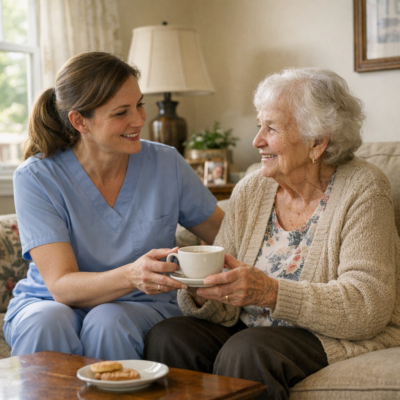
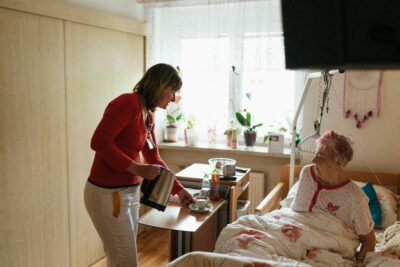
Call A-Team Home Care for daily caregiver presence: bathing, dressing, transfers, medication reminders, meal prep, mobility support, hands-on observation of how a wound looks and changes day to day, and immediate escalation when something is wrong.
Call a home health RN (separate skilled-nursing license) for: sterile wound dressing changes, debridement, packing, suture/staple removal, skilled wound assessment with photographs, IV antibiotic administration, and any care that requires Medicare home health certification.
Most families need both. A-Team is the daily presence and early-warning system. The RN is the clinical specialist who comes 1 to 3 times a week. Call (215) 490-9994 for a free assessment to confirm what each role looks like in your home.
Medical disclaimer: This article is informational only and does not replace personalized medical advice. Wound care decisions involve individual clinical judgment: speak with the patient's physician or a licensed home health nurse before changing any wound care plan. A-Team Home Care provides non-medical home support and works alongside (not in place of) home health nurses.
Melinda Piechoski, RN · Director of Nursing · Last updated May 3, 2026 · 9 min read
Medical disclaimer. This article provides general educational information. It is not medical advice. For care decisions specific to your loved one, call A-Team Home Care at (215) 490-9994 for a free RN assessment.
Why wound care is one of the highest-risk parts of home recovery
Chronic wounds are a leading driver of hospital readmissions and emergency department visits in older adults. The Agency for Healthcare Research and Quality (AHRQ) describes pressure injury prevention and management as a top patient-safety priority in home and long-term care settings. Wounds become serious when infection sets in, and infection in older adults can progress quickly to cellulitis, bloodstream infection, and sepsis.
The four most common chronic wounds in Pennsylvania home care are pressure injuries (bedsores), diabetic foot ulcers, venous leg ulcers (related to vein disease), and surgical wounds healing after a hospital discharge. Each has different causes and slightly different rules, but the family caregiver’s job (observe, clean, dress, document, escalate) is similar across all four.
The four wounds we see most often at home
Pressure injuries (bedsores)
Pressure injuries form when prolonged pressure cuts off blood flow to the skin and underlying tissue, most often over bony areas (sacrum, heels, hips, elbows). They are graded stage 1 (intact red skin) through stage 4 (full-thickness wound exposing muscle or bone). The CDC and AHRQ pressure-injury prevention recommendations include repositioning every two hours, pressure-relief mattresses or cushions, daily skin inspection, and managing moisture and incontinence.
Diabetic foot ulcers
The CDC’s diabetic foot care guidance emphasizes that neuropathy (loss of sensation) means a diabetic patient may not feel a small wound until it is deep and infected. A diabetic foot ulcer is a wound emergency. It needs an evaluation by a podiatrist or wound care specialist within days, not weeks.
Venous leg ulcers
Venous insufficiency causes shallow, weeping wounds on the lower leg, often above the ankle. Treatment includes compression therapy (compression bandages or stockings under physician guidance), leg elevation, and dressings to manage drainage. Compression must be sized correctly, too tight is dangerous in patients with arterial disease.
Surgical wounds
Most surgical wounds heal uneventfully if kept clean and dry per discharge instructions. Watch for the same warning signs as any other wound: spreading redness, warmth, drainage, or fever.
What a family caregiver can safely do at home
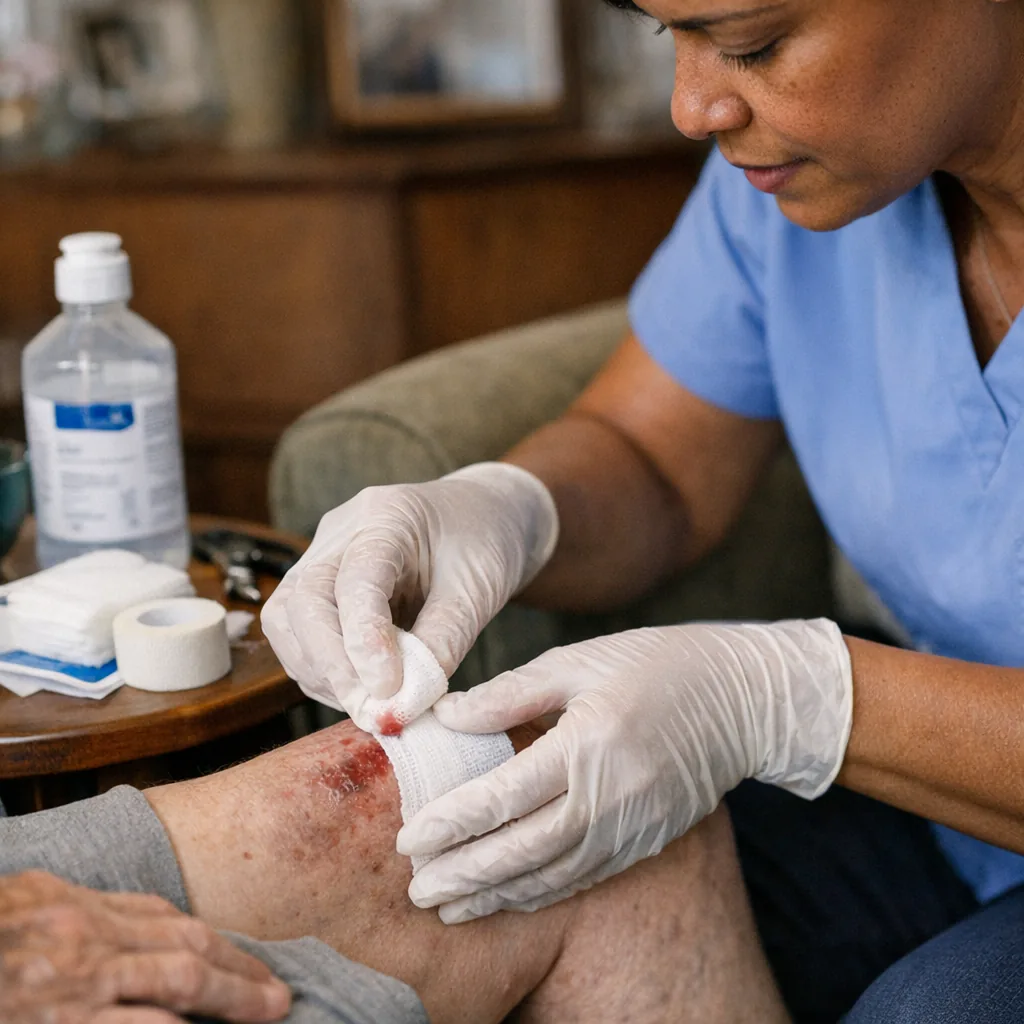
If the wound care nurse has trained you (Pennsylvania’s CARE Act requires the hospital or home-health agency to give in-person, hands-on training before assigning a wound to a family caregiver), the routine basics typically include:
- Wash hands with soap and water, or use alcohol-based hand rub, before and after dressing change.
- Wear clean disposable gloves, sterile gloves only if specifically instructed.
- Gently remove the old dressing without ripping at adherent tissue.
- Cleanse with normal saline or the cleanser specifically ordered, never with hydrogen peroxide or full-strength iodine on a healing wound (these damage healing tissue).
- Apply the prescribed dressing in the prescribed configuration.
- Document size, color, drainage, and any odor with a daily photo if possible.
What a family caregiver should not do without specific RN training: pack a wound, debride dead tissue, use sharp instruments, change a wound vac (negative pressure dressing), or manage a wound with exposed bone, tendon, or hardware. Those are nursing tasks.
Warning signs, when to call a home health nurse or 911
Call your home health nurse or A-Team Home Care RN the same day for: increased redness around the wound spreading more than half an inch, new or increased warmth, foul odor, increased or pus-like drainage, the wound looking deeper or larger than yesterday, a new fever, increased pain, or a blood-sugar spike in a diabetic patient.
Call 911 or go to the emergency room immediately for: fever above 101°F with chills, rapidly spreading redness with red streaks moving up the limb, confusion or new lethargy, low blood pressure, exposed bone or tendon visible in the wound, or sudden severe pain in the wound area. These can be signs of cellulitis or sepsis, which are life-threatening in older adults.
How A-Team Home Care’s RN team handles complex wounds
Some wounds need a clinician, not a family caregiver. A-Team Home Care’s skilled nursing team performs in-home wound assessments, dressing changes for complex wounds (pressure injuries stage 3 and 4, infected diabetic ulcers, post-surgical complications, wound vacs), and weekly wound photography for the primary care doctor or wound center to review. We also provide personal care for the daily bathing, repositioning, and incontinence management that prevents pressure injuries from forming in the first place. For families managing a high-risk parent at home, our 24-hour home care service ensures that repositioning and skin checks happen overnight as well as during the day. A-Team Home Care is ACHC-accredited and serves Philadelphia, Bucks, Montgomery, Delaware, and Chester counties. Call (215) 490-9994 for a free in-home RN assessment.
Frequently asked questions
What is the difference between a home health nurse and a home care aide?
A home health nurse is a registered nurse or licensed practical nurse who performs skilled clinical tasks: wound care, medication management, and clinical assessment. A home care aide assists with personal care, bathing, dressing, meal prep, transfers, and supervision. Both can be part of the same care plan. A-Team Home Care provides both skilled nursing and personal care services in Pennsylvania.
Will Medicare pay for wound care at home?
Medicare covers skilled home health wound care when ordered by a physician and delivered by a Medicare-certified agency. The wound must require skilled nursing assessment or intervention, the patient must be homebound, and care must be intermittent rather than continuous. Daily personal care and supervision are not covered by Medicare and are paid privately or through Pennsylvania’s Community HealthChoices Medicaid waiver.
How often should a wound dressing be changed?
Dressing change frequency depends on the wound type, the dressing product, and the amount of drainage. Some advanced dressings stay in place for several days; others require daily or every-other-day changes. Always follow the specific written orders from the wound care provider. If a dressing becomes saturated, loose, or visibly soiled, change it sooner than scheduled.
What is the most common cause of pressure injuries in older adults?
Prolonged pressure on bony areas, especially when combined with friction, shear, moisture, and poor nutrition. The AHRQ and CDC pressure injury prevention guidelines recommend repositioning every two hours for bedbound patients, pressure-relief mattresses or cushions, daily skin inspection, prompt management of incontinence, and adequate hydration and protein intake.
Can I shower a parent who has a wound?
Most chronic wounds can be safely showered with the dressing in place if the dressing is waterproof, or after carefully removing the dressing for a brief shower if the wound is clean and the surgeon or wound care nurse approves. Do not soak the wound in a bathtub or hot tub until the wound is fully closed. Pat the area dry, never rub, before reapplying the new dressing.
What signs of wound infection should I photograph and report?
Photograph and report any spreading redness, increased warmth, foul odor, increased or pus-like drainage, increased pain, the wound looking larger or deeper, a new fever, or new red streaks tracking up the limb. Send the photo to the home health nurse, the primary care doctor, or call A-Team Home Care at (215) 490-9994. Earlier reporting prevents emergency department visits.
What about wound care for a Veteran?
Veterans enrolled in VA care may be eligible for VA-paid home health, skilled nursing, and personal care services through community care contracts and the Aid and Attendance benefit. A-Team Home Care provides Veterans home care services and can help Pennsylvania Veteran families navigate VA benefit eligibility.
Sources & further reading
- Agency for Healthcare Research and Quality: Preventing Pressure Ulcers in Hospitals
- Centers for Disease Control and Prevention: Diabetes and Your Feet
- Centers for Medicare & Medicaid Services: Home Health Services Coverage
- National Institute on Aging: Skin Care and Aging
- Pennsylvania Department of Human Services: Community HealthChoices
- A-Team Home Care: Skilled nursing services
- A-Team Home Care: 24-hour home care
Disclaimer
This article is for educational purposes only and does not constitute medical advice. Wound care decisions should always be made in consultation with your parent’s primary care physician, surgeon, wound care specialist, or home health nurse. A-Team Home Care is an ACHC-accredited home care agency serving Pennsylvania.
Follow A-Team on Instagram
Real moments from real shifts: caregivers, clients, milestones, team events. @ateamhomecare · updated weekly.