
Medical disclaimer. This article provides general educational information. It is not medical advice. If you suspect a stroke, call 911 immediately. For care planning specific to your loved one, call A-Team Home Care at (215) 490-9994 for a free RN assessment.
Why Seniors Face a Higher Stroke Risk
Age is one of the strongest risk factors for stroke. As the body gets older, blood vessels can stiffen, blood pressure becomes harder to control, and conditions like atrial fibrillation or diabetes become more common. All of these raise the chance that a blood clot will form or a blood vessel will burst in the brain.
Seniors who live alone or who have limited mobility may not be able to call for help the moment symptoms begin. That is exactly why having a trusted person nearby, whether a family member or a professional in-home caregiver, can make a real difference in what happens next.
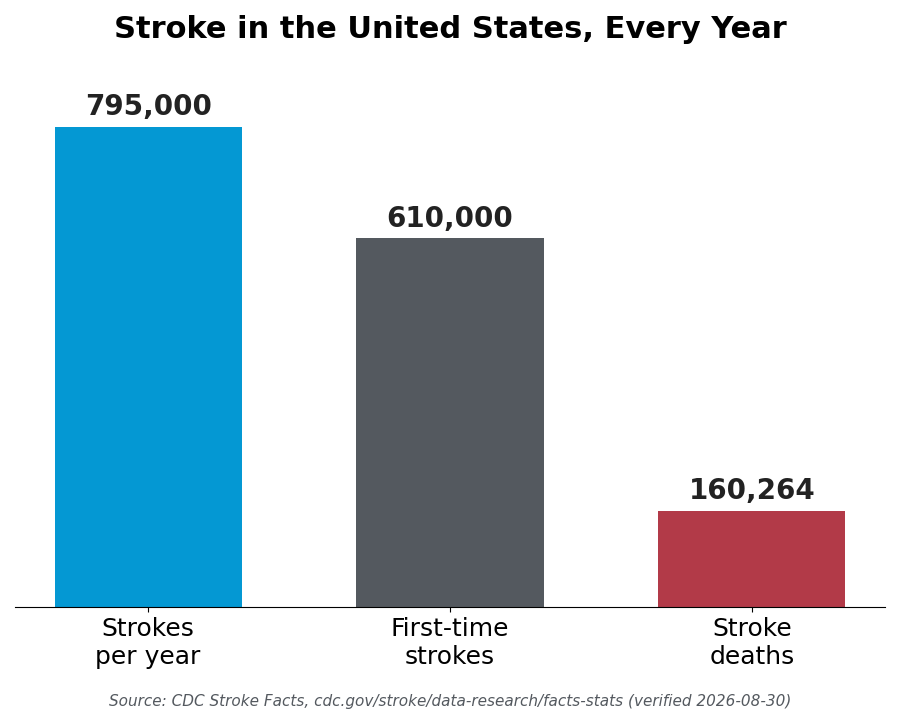
The CDC notes that stroke is a leading cause of death and long-term disability in the United States, and that quick treatment dramatically improves outcomes. Every minute counts, which is why recognition matters so much.
The FAST Method: The Quickest Way to Recognize a Stroke
Medical professionals and public health organizations widely promote the FAST acronym as a simple way to check for stroke symptoms. Here is what each letter stands for:
- F, Face drooping: Ask the person to smile. Does one side of the face droop or look uneven? Does the face feel numb?
- A, Arm weakness: Ask the person to raise both arms. Does one arm drift downward or feel weak?
- S, Speech difficulty: Ask the person to repeat a simple phrase. Is the speech slurred, strange, or impossible to understand?
- T, Time to call 911: If you notice any of these signs, call 911 immediately. Note the time the symptoms started. This information helps emergency medical teams choose the right treatment.
Some versions of the acronym have been expanded to BE-FAST, which adds two earlier warning signs. The “B” stands for sudden loss of balance, and the “E” stands for sudden vision changes in one or both eyes. Both can appear before the more well-known FAST symptoms arrive.
Additional Stroke Symptoms That Families Often Miss
The FAST signs are the most common, but a stroke can also show up in ways that are easier to dismiss or mistake for something else. Watch for any of the following, especially when they come on suddenly and without a clear cause:
- A sudden, severe headache that the person describes as the worst of their life, with no known reason for it
- Sudden confusion or trouble understanding what others are saying
- Sudden numbness or weakness in the face, arm, or leg, particularly on one side of the body
- Sudden trouble seeing in one or both eyes, including blurred vision, double vision, or vision that goes dark
- Sudden dizziness, trouble walking, or loss of coordination or balance
- Sudden nausea or vomiting with no explanation (you can read more about how to help seniors manage nausea in everyday situations, though sudden unexplained nausea during a suspected stroke calls for 911 first)
The word that appears in almost every description is “sudden.” Stroke symptoms come on quickly. They are not symptoms that build slowly over days. If a senior you are with suddenly cannot do something they could do moments before, take it seriously.
What to Do the Moment You Suspect a Stroke
Acting fast is the single most important thing you can do. Here is the right order of steps:
- Call 911 right away. Do not drive the person to the hospital yourself unless there is absolutely no other option. Paramedics can begin assessment and alert the hospital before arrival, which saves precious time.
- Note the time. Tell the dispatcher and the emergency team exactly when you first noticed the symptoms. Clot-busting medications can only be given within a specific time window after symptoms begin, so this detail matters greatly.
- Keep the person calm and still. Help them sit or lie down in a comfortable position. Do not give them food, water, or medication.
- Stay with them. Do not leave them alone while waiting for help to arrive.
- Do not wait to see if the symptoms pass. A condition called a TIA, or transient ischemic attack, can cause stroke-like symptoms that clear up on their own. It is sometimes called a “mini-stroke,” but it is a serious warning sign of a coming major stroke. Even if the person seems to recover, they still need emergency evaluation.
The American Stroke Association explains that treatment options are most effective when started as soon as possible. There is a reason stroke specialists use the phrase “time is brain.”
How Stroke Affects Seniors Differently
Older adults sometimes experience atypical stroke symptoms that do not fit neatly into the FAST checklist. These can include sudden changes in behavior or personality, extreme fatigue or unresponsiveness, hiccups that will not stop, or a feeling of general confusion that seems to come out of nowhere.
Because some of these symptoms can look like signs of dementia or other age-related conditions, families and caregivers sometimes wait before calling for help. If you have noticed your parent showing early signs of cognitive change, talk to their doctor about how to tell the difference between a slow-developing condition and a sudden emergency.
Seniors who already have some level of cognitive impairment may not be able to describe what they are feeling. A caregiver who knows the person well and can recognize a change from their baseline behavior is an important safety net in that situation.
The Role of Home Care in Stroke Prevention and Safety
Home care cannot prevent a stroke, but it can reduce some of the risks that make strokes more dangerous and more likely to go unnoticed. Here is how having a professional caregiver at home helps:
- Consistent observation: A caregiver who sees a senior regularly knows what is normal for that person and can spot changes quickly.
- Medication reminders: Many stroke-prevention medications must be taken on schedule. A caregiver helps make sure doses are not missed.
- Healthy routines: Good nutrition, regular hydration, light activity, and reduced isolation all support cardiovascular health. Caregivers help seniors keep those routines in place.
- Fall prevention: Stroke survivors often deal with balance and mobility issues. A caregiver helps reduce fall risks at home.
- Emergency response: If something goes wrong, a caregiver can call 911 immediately and provide accurate information to emergency responders.
If you have started noticing changes in your parent’s health and independence, it may be worth reading about signs that an aging parent may need in-home care or looking into signs that it may be time for professional home care.
Isolation is also a real concern. Seniors who spend long stretches alone are less likely to have someone nearby when a stroke happens, and loneliness itself contributes to health decline. Learn more about the effects of loneliness and depression on elderly parents and what families can do.
After a Stroke: What Recovery Looks Like at Home
When a senior returns home after a stroke, the recovery period is often long and requires consistent support. Depending on the severity of the stroke, they may deal with weakness or paralysis on one side of the body, difficulty speaking or understanding language, memory problems or changes in thinking, emotional changes including depression or anxiety, and fatigue that makes everyday tasks feel overwhelming.
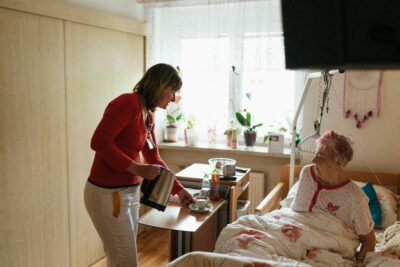
A professional caregiver can assist with personal care tasks like bathing, dressing, and moving safely around the home. Companion care keeps the senior engaged, supported, and less isolated during what can be a discouraging recovery period. The family gets peace of mind knowing their loved one is not alone. For a full 90-day view of what that recovery period looks like, see our stroke recovery at home guide.
A-Team Home Care provides both companion care and personal care services tailored to what each client needs. Caregivers work alongside families and medical teams to make the home a safe, supportive place to recover and continue living well.
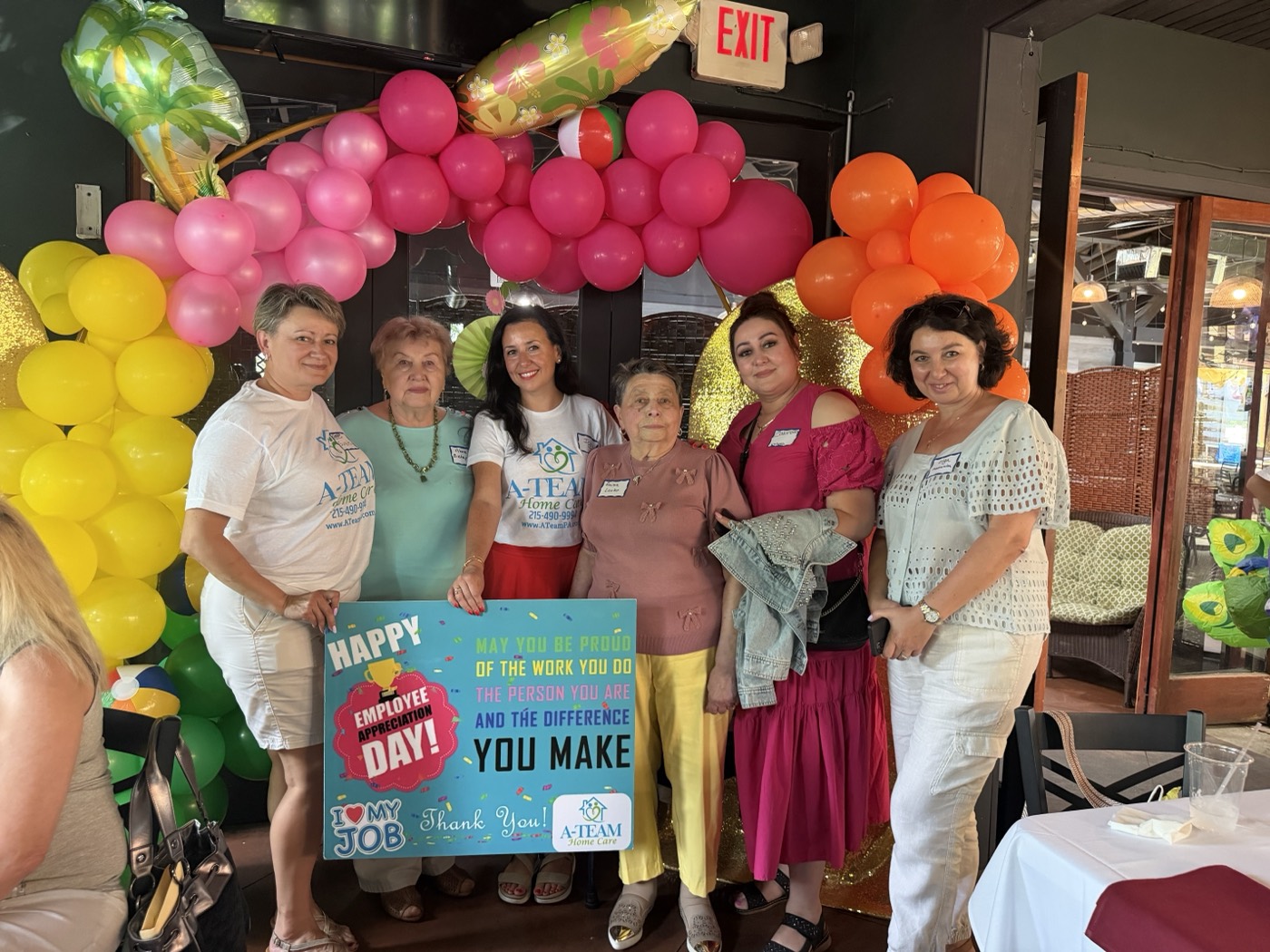
Why Families in the Philadelphia Region Trust A-Team Home Care
A-Team Home Care has been serving families across Philadelphia, Bucks County, and the surrounding Pennsylvania counties since 2016. The agency provides companion care, personal care, and in-home caregiver support designed to help seniors stay safe, comfortable, and connected to the people and places they love.
A-Team has earned recognition from the Philadelphia Inquirer’s Philly’s Favorite (2025), the Philadelphia100, and the Bucks Happening List. These local recognitions reflect the trust families have placed in the agency over the years.
The agency is also one of the few home care providers in the Philadelphia area that actively helps veterans and their surviving spouses get VA Aid and Attendance benefits, a benefit many families do not know they qualify for. This commitment to families goes beyond simply placing caregivers in homes.
When a family is managing the aftermath of a stroke, or trying to reduce the risk of one, they need a care partner they can count on. A-Team’s caregivers are carefully selected and trained to respond appropriately in urgent situations, follow care plans, and communicate with families. That consistency and attention to detail matters most when a senior’s health is on the line.
You can also read about what ACHC accreditation means for home care and why it matters when choosing an agency for a vulnerable loved one.
Frequently Asked Questions
What is the fastest way to recognize a stroke in an elderly person?
Use the FAST check: look for Face drooping, Arm weakness, and Speech difficulty, then call 911 immediately (T for Time). For older adults, also watch for sudden loss of balance, sudden vision changes, an unexplained severe headache, or sudden confusion, since strokes in seniors sometimes look different from the classic signs.
Should I drive my parent to the hospital if I think they are having a stroke?
In almost every situation, calling 911 is the better choice. Paramedics can begin assessment on the way to the hospital and alert the emergency team ahead of arrival. This head start can shorten the time to treatment, which directly affects outcomes. Drive only if calling 911 is truly not possible.
What is a TIA and should I still call 911 if the symptoms go away?
A TIA, or transient ischemic attack, causes stroke-like symptoms that often clear up within minutes or hours. Even though the person may feel fine afterward, a TIA is a strong warning sign that a more serious stroke may follow. Call 911 or get the person to an emergency room right away. Do not wait to see if the symptoms come back.
Can a home caregiver help after a senior has a stroke?
Yes. After a stroke, many seniors need help with bathing, dressing, meals, moving safely around the home, and keeping up with a medication schedule. A professional caregiver provides that hands-on support while also offering companionship and watchful observation. Families benefit from knowing their loved one is not alone during recovery.
How does A-Team Home Care support families dealing with stroke recovery in the Philadelphia area?
A-Team Home Care offers companion care and personal care services to families across Philadelphia, Bucks County, and the surrounding Pennsylvania counties. Caregivers assist stroke survivors with daily tasks, help maintain healthy routines, and provide consistent support that allows seniors to recover and continue living at home. Families can call the agency to talk through what kind of care would fit their situation best.
If someone you love has recently had a stroke, or if you want to put a safety net in place before a health emergency happens, A-Team Home Care is ready to help. Call (215) 490-9994 or send a message through our website to speak with someone about care options in Philadelphia, Bucks County, or the surrounding Pennsylvania counties. We are here to answer your questions and find the right level of support for your family.
Also From A-Team Home Care
Personal Care Companion Care 24-Hour Home Care Signs Your Parent Needs Care Philadelphia Home Care Bucks County Home Care
Sources & further reading
- Centers for Disease Control and Prevention: About Stroke
- American Stroke Association: Stroke Symptoms (FAST)
- American Stroke Association: Stroke Treatment
- A-Team Home Care: Stroke Recovery at Home: A 90-Day Plan
This article is for educational purposes only and does not constitute medical advice. Stroke is a medical emergency; call 911 immediately if you suspect one. A-Team Home Care is an ACHC-accredited home care agency serving Pennsylvania.